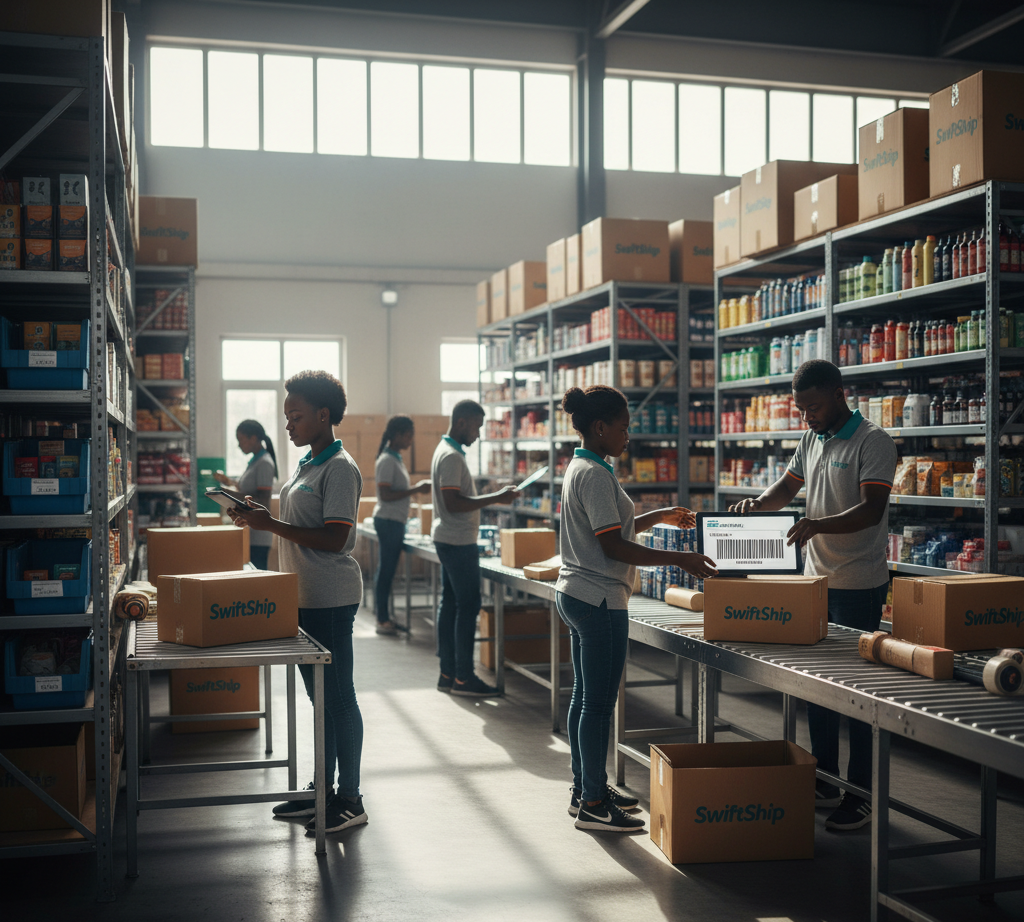
Nigeria’s online business space is expanding rapidly. Every day, thousands of entrepreneurs promote and sell products through platforms like Instagram, WhatsApp, and Facebook. From fashion vendors and sneaker brands to food businesses and beauty stores, social commerce has become the backbone of many small businesses across the country.
But behind this exciting growth lies a serious challenge that many entrepreneurs call “logistics wahala.”
For many online businesses in Nigeria, the biggest problem is not attracting customers, it’s delivering products to them successfully and on time. Delivery delays, high shipping costs, and unreliable logistics services have become major reasons many online businesses lose customers or eventually shut down.
The Delivery Delay Problem
One of the most common complaints from online shoppers in Nigeria is late delivery.
Customers often expect their orders to arrive within a few days, but in reality, deliveries can take much longer. A package that should arrive in two days might take a week or more. Sometimes customers are even told that the dispatch rider is already on the way, only to wait for hours without any update.
These delays create serious problems for businesses, including:
Customers losing trust in the seller
Orders getting cancelled
Refund requests increasing
Negative reviews spreading online
For small businesses that rely heavily on reputation and word-of-mouth, even one bad delivery experience can cost several future sales.
High Shipping Costs Reduce Sales
Another major challenge facing online businesses in Nigeria is expensive delivery fees. In many cases, the cost of shipping can be almost as high as the product itself.
For example:
A product worth ₦5,000 may cost ₦3,000–₦4,000 to deliver across states.
Even within the same city, delivery can cost between ₦1,500 and ₦3,000.
When customers see high delivery fees, many of them abandon their purchase immediately.
For SMEs, this leads to:
Fewer completed orders
Reduced competitiveness
Lower profit margins
As a result, customers often prefer buying from larger platforms or vendors who can subsidize delivery costs.
Unreliable Dispatch Riders
Many online vendors depend on independent dispatch riders or small logistics services. While some are highly professional, others lack proper systems, tracking, or accountability.
Common problems include:
Riders cancelling deliveries midway
Poor communication with customers
Packages getting lost or damaged
Riders struggling to locate addresses
These issues create frustration for both the seller and the customer.
In many situations, the vendor spends hours trying to contact the rider or apologizing to customers even though the problem was completely outside their control.
Address and Navigation Challenges
Nigeria’s addressing system also contributes significantly to delivery problems.
Many locations lack clear street numbers, structured layouts, or easy navigation. Because of this, dispatch riders often struggle with:
Incomplete or unclear addresses
Poor road networks
Heavy traffic congestion in major cities
As a result, deliveries that should take 30 minutes may end up taking several hours.
Customer Trust Is Easily Broken
Online shopping depends heavily on trust.
When logistics fail, that trust disappears quickly.
A customer who experiences delayed delivery may assume:
The seller is dishonest
The product does not exist
The business is unreliable
Even when the seller did everything correctly, the logistics experience becomes part of the customer’s perception of the brand.
This is why logistics problems tend to hurt SMEs more than large companies.
How SMEs Can Reduce Logistics Problems
Although logistics challenges in Nigeria can be difficult to solve completely, small businesses can take practical steps to reduce risks.
1. Work with trusted logistics partners
Instead of constantly switching riders, vendors should partner with reliable logistics providers that have structured delivery systems.
2. Be transparent about delivery timelines
It is better to promise a longer delivery time and deliver early than to promise fast delivery and disappoint customers.
3. Offer pickup options
Allowing customers to pick up orders at a physical location can reduce delivery stress and save shipping costs.
4. Batch deliveries when possible
Grouping orders going to the same location or area can help reduce logistics costs.
5. Communicate consistently with customers
Providing regular updates helps maintain customer trust, even when delays happen.
The Future of Logistics for Nigerian SMEs
As e-commerce continues to grow in Nigeria, logistics will become even more critical for business success.
Reliable delivery systems may ultimately determine which businesses succeed and which ones fail.
Platforms that help vendors manage logistics more efficiently—through better delivery partnerships, automated tracking, and centralized shipping systems are likely to become essential tools for SMEs.
For many online sellers today, the reality is simple:
Selling the product is the easy part. Delivering it successfully is the real challenge.

Related Posts