The retail landscape is constantly evolving, and perhaps no shift is more profound than the pivot from a purely linear consumption model to a circular one. The days of buying new, using, and discarding are rapidly fading, replaced by a growing awareness of a product’s entire lifecycle. For founders, product managers, and marketers, this isn’t just about sustainability; it’s about unlocking significant new revenue streams and engaging a new generation of consumers. The `recommerce economic impact` is no longer a footnote—it’s a headline, with the sector now generating an estimated $5 billion in value. This burgeoning secondhand economy demands strategic attention, as it reshapes purchasing habits and brand relationships across the board.
### The Seismic Shift: Why Recommerce Matters Now
For years, `secondhand commerce trends` were largely associated with thrift stores or niche online forums. Today, it’s a sophisticated, digitally-driven market propelled by several powerful forces. Consumers, particularly Gen Z and millennials, are increasingly conscious of their environmental footprint and are actively seeking sustainable choices. At the same time, economic pressures and inflation are driving a demand for value, making pre-owned items an attractive alternative to full-price purchases. Technology has also played a crucial role, providing scalable platforms for authentication, merchandising, and seamless peer-to-peer or brand-to-consumer transactions. This confluence of consumer values, economic realities, and technological enablers has transformed recommerce from a side-hustle into a strategic imperative for any modern retail business.
### Core Insights into the Recommerce Revolution
#### Beyond Discount Racks: The Rise of Branded Recommerce
The most compelling aspect of current `resale market growth` is the entry of brands themselves into the secondhand space. This isn’t about offloading damaged goods; it’s about taking ownership of their products’ full lifecycle. High-end fashion houses and outdoor apparel giants alike are launching take-back programs and dedicated resale platforms. Patagonia’s Worn Wear program, for instance, allows customers to trade in used gear for store credit, which is then refurbished and resold. This extends product life, reinforces brand loyalty, and taps into a new customer segment who might not initially afford a new item but aspire to own the brand. This strategy creates a controlled secondary market, protecting brand image and capturing value that once went to third-party resellers.
#### The Operational Pivot: Mastering Reverse Logistics
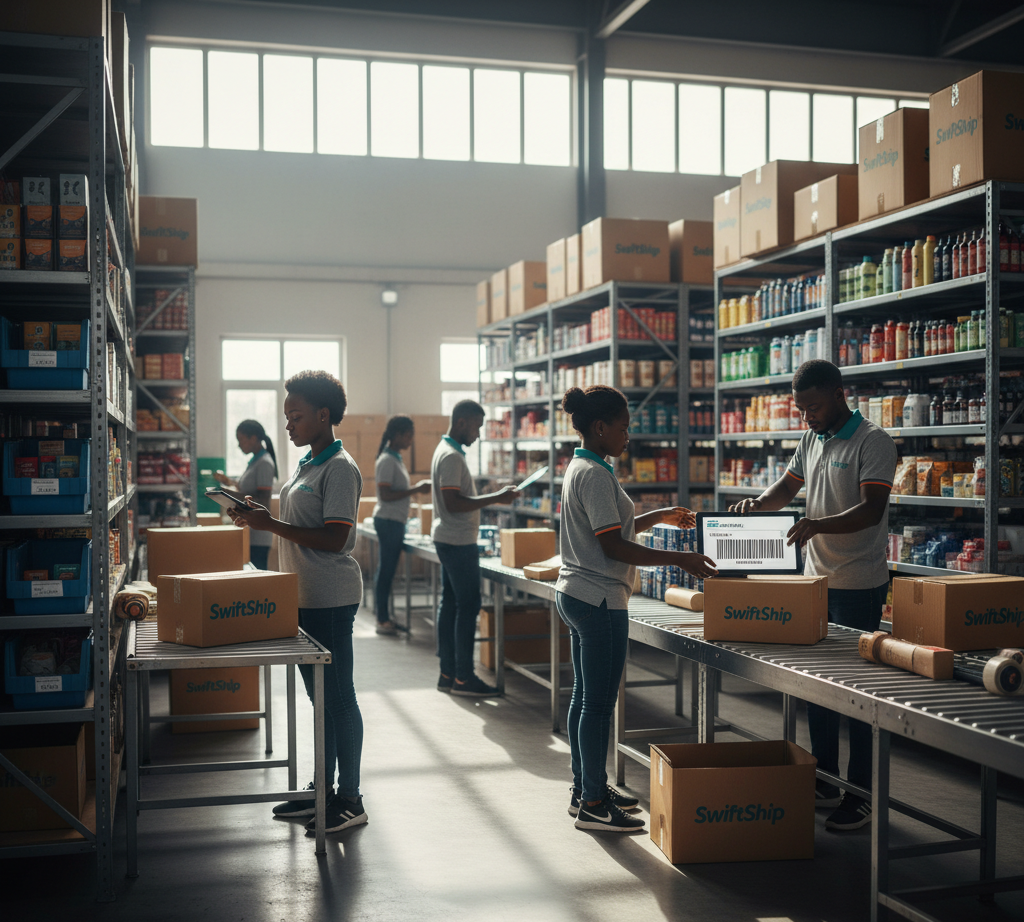
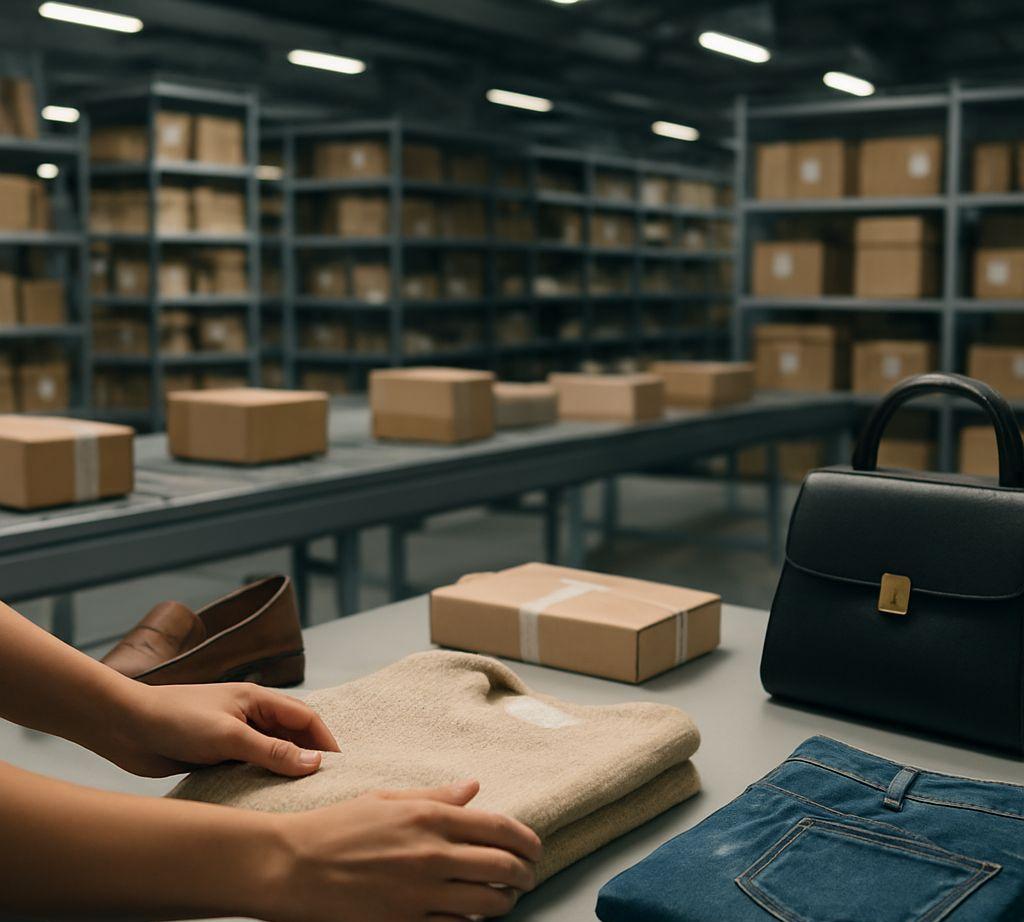
Implementing a successful recommerce program is not without its challenges. The linear supply chain is well-established, but managing a `circular economy retail` model introduces complexities, particularly around `reverse logistics`. Brands must develop efficient processes for collecting used items, authenticating their origin and condition, cleaning or repairing them, and then re-pricing and re-listing them for sale. This often requires new infrastructure, skilled labor, and sophisticated inventory management systems. Companies that master this operational puzzle can turn a potential headache into a competitive advantage, ensuring a smooth, profitable flow of goods back into the market and delivering on the promise of `sustainable retail revenue`.
#### Data as the New Gold: Understanding the Product’s Second Life
One of the often-overlooked benefits of recommerce is the rich data it generates. When a brand brings a used product back into its ecosystem, it gains invaluable insights into durability, common points of wear, and real-world performance. This feedback loop can inform future product design, material choices, and even manufacturing processes, leading to more resilient and longer-lasting goods. Furthermore, understanding who buys secondhand, their preferences, and their engagement with the brand post-purchase provides a deeper, more nuanced view of the customer journey, helping to refine `brand recommerce strategies` and foster stronger relationships.
#### Mainstreaming Sustainability: A New Consumer Expectation
Recommerce is quickly shifting from a niche interest to a mainstream expectation. For many consumers, the ability to buy and sell pre-owned items, often facilitated by user-friendly online platforms, is now a standard part of the shopping experience. This normalization is a critical driver behind the sector’s multi-billion dollar valuation. Retailers who ignore this trend risk appearing out of touch with both environmental values and modern consumer demands for value and flexibility. Embracing recommerce is not just about environmental responsibility; it’s about staying relevant and capturing a significant portion of the evolving retail market.
### Opportunities & Risks in the Circular Economy
**Opportunities for Smart Brands:**
* **New Revenue Streams:** Taps into the $5 billion market for pre-owned goods.
* **Enhanced Brand Loyalty:** Creates deeper connections with value-conscious and eco-minded consumers.
* **Sustainability Credentials:** Strengthens brand image and attracts new customer segments.
* **Customer Acquisition:** Provides a lower-entry price point to introduce new customers to the brand.
* **Valuable Data:** Gathers insights into product longevity and customer behavior.
**Potential Risks & Blind Spots:**
* **Operational Complexity:** Requires robust reverse logistics and quality control.
* **Brand Dilution:** Poorly managed recommerce can negatively impact brand perception.
* **Cannibalization:** Potential for used sales to impact new product sales if not carefully segmented and priced.
* **Trust & Authentication:** Ensuring authenticity and quality of pre-owned items is crucial.
### Actionable Takeaways for Businesses
1. **Assess Your Product’s Second Life Potential:** Determine which of your products are durable enough and desirable for resale.
2. **Invest in Reverse Logistics:** Develop or partner for efficient collection, authentication, and refurbishment processes.
3. **Integrate Recommerce into Loyalty Programs:** Reward customers for returning or trading in items to reinforce the circular model.
4. **Start Small, Learn Fast:** Consider piloting a recommerce program with a specific product line or through a partnership with an established platform.
5. **Leverage Data for Product Improvement:** Use insights from returned goods to inform future design and manufacturing decisions.
6. **Communicate Transparently:** Clearly articulate your recommerce strategy and its sustainability benefits to your customers.
7. **Consider a Dedicated Platform:** For larger brands, a branded recommerce platform can offer greater control and a tailored experience.
### The Path Forward
The $5 billion `recommerce economic impact` is a clear signal: the future of retail is circular. This isn’t a fleeting trend but a fundamental recalibration of how products are valued, consumed, and recirculated. For businesses, this shift presents both profound challenges and immense opportunities for innovation, growth, and deeper customer engagement. The question for every business leader isn’t whether to engage with recommerce, but how strategically and effectively they will integrate this powerful force into their core operations and brand identity. How will your business adapt to thrive in this evolving landscape?

Related Posts