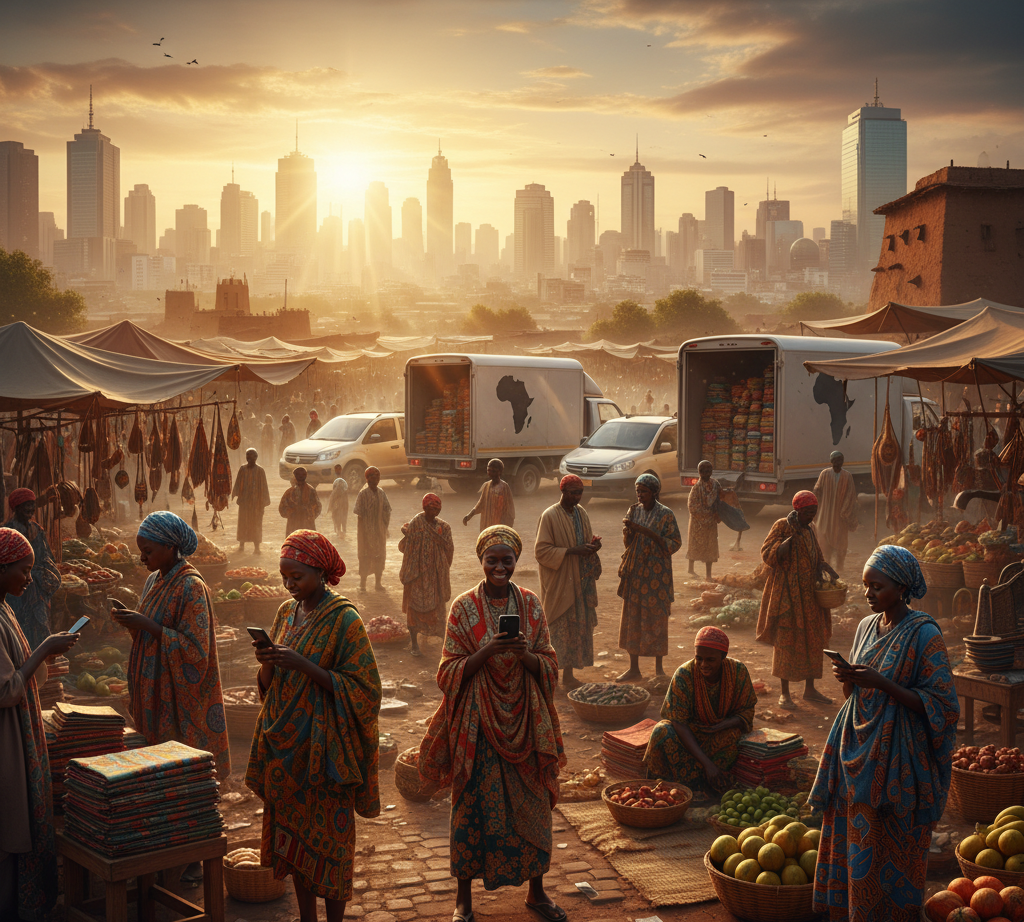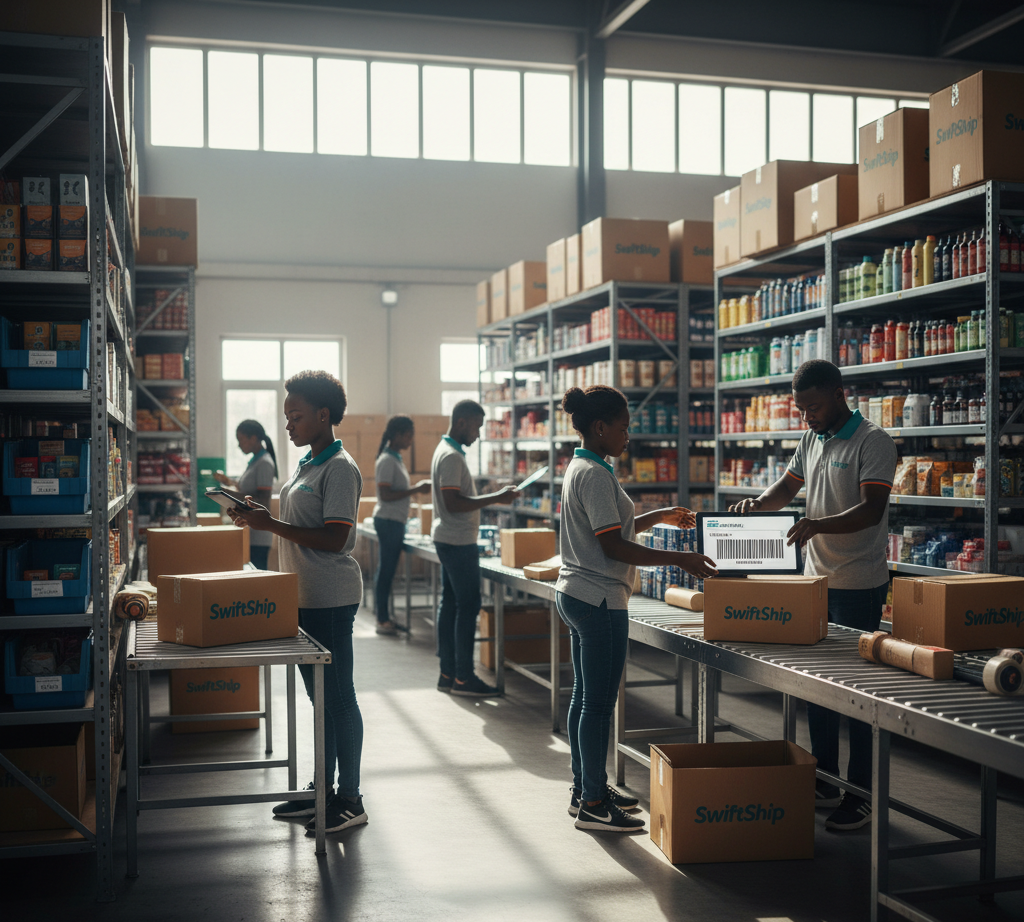
For many Nigerian vendors, the past few years have not just been difficult they’ve been unpredictable. Prices change almost overnight, fuel costs rise without warning, and customers who used to buy freely now hesitate, compare, and sometimes walk away. It’s easy to feel like the system is working against small businesses. And in many ways, it is.
But there’s a deeper truth that doesn’t get talked about enough.
This economy is not only putting pressure on businesses it is revealing which ones are built to last.
Across markets, streets, and online spaces in Nigeria, two types of vendors are emerging. There are those who are constantly reacting, trying to keep up with rising costs and declining sales, and there are those who, despite facing the same conditions, are gradually expanding. They are not immune to the challenges, but they are navigating them differently. That difference is where growth begins.
What separates these two groups is not necessarily capital, location, or even connections. It is how they interpret the situation and the decisions they make in response to it.
Vendors who remain stuck in survival mode often operate from urgency. Every day is about making just enough to get by. There is little time to think, plan, or analyze because the pressure of immediate needs takes over. While this is understandable, it creates a cycle where the business never truly moves forward. It becomes reactive instead of intentional.
On the other hand, vendors who are beginning to grow are making a subtle but powerful shift. They are no longer just asking how to sell today they are asking how to build something that can sell consistently. That shift changes everything. It affects how they present their products, how they interact with customers, and how they structure their operations.
One of the clearest signs of this shift is visibility. In today’s Nigeria, being physically present is no longer enough. Customers are searching, scrolling, asking questions, and comparing options before they make decisions. Vendors who understand this are positioning themselves where these decisions are happening online. They are showing their products, telling their stories, and staying present in the minds of their customers. Those who ignore this reality are gradually becoming invisible, no matter how good their products may be.
At the same time, the pressure of rising costs has forced a new level of awareness. Growth-oriented vendors are becoming more conscious of how money flows in and out of their businesses. They are paying attention to what sells, what doesn’t, and where they might be losing money unnecessarily. Instead of relying on guesswork, they are starting to observe patterns. This awareness doesn’t eliminate the challenges, but it gives them more control in an environment that often feels uncontrollable.
Another quiet but important shift is happening in how products are offered. The Nigerian customer has changed. Spending habits are more cautious, priorities are clearer, and value matters more than ever. Vendors who are growing are not fighting this reality they are adjusting to it. They are finding ways to make their products more accessible, more relevant, and more aligned with what customers need right now, not what worked in the past.
Trust has also become more valuable than ever. In uncertain times, people don’t just buy products they buy reassurance. They want to feel confident that what they are paying for is worth it. Vendors who consistently deliver on their promises, communicate clearly, and show proof of their reliability are finding it easier to retain customers, even when prices increase. Trust reduces hesitation, and in a tight economy, hesitation can be the difference between a sale and a missed opportunity.
Perhaps the most defining factor of all is adaptability. Nigeria’s economic environment is not stable, and waiting for it to become stable is no longer a strategy. Vendors who are growing have accepted this reality. Instead of resisting change, they are learning to move with it. They test new ideas, adjust quickly, and remain flexible in their approach. This ability to adapt gives them an edge, not because they avoid challenges, but because they respond to them faster.
The journey from survival to growth is not a sudden leap. It is a gradual transition that happens through small, consistent changes in thinking and action. It is about moving from reacting to planning, from guessing to understanding, from waiting to building.
Nigeria’s economy will continue to present challenges. That much is certain. But within those challenges lies opportunity for those who are willing to see differently and act differently. In the end, the vendors who will win are not the ones with the easiest path. They are the ones who learn how to navigate a difficult one and still move forward.

Related Posts