Unlocking Digital Value: Understanding Gift Card Conversion for Nigerian E-commerce Operators
The landscape of digital commerce in Africa is a dynamic tapestry woven with innovation, necessity, and evolving consumer behaviors. Amidst the rise of formal payment gateways and mobile money solutions, a distinct narrative often unfolds in the informal yet highly impactful realm of value conversion. A recent article shedding light on “How to Withdraw the ₦3000 from Carding App in Nigeria” might seem niche, but it provides a potent lens through which to examine broader trends in digital payments, liquidity, and consumer ingenuity within the Nigerian e-commerce ecosystem. For founders, operators, and product teams, understanding these underlying mechanisms is crucial for building resilient and truly inclusive digital platforms.
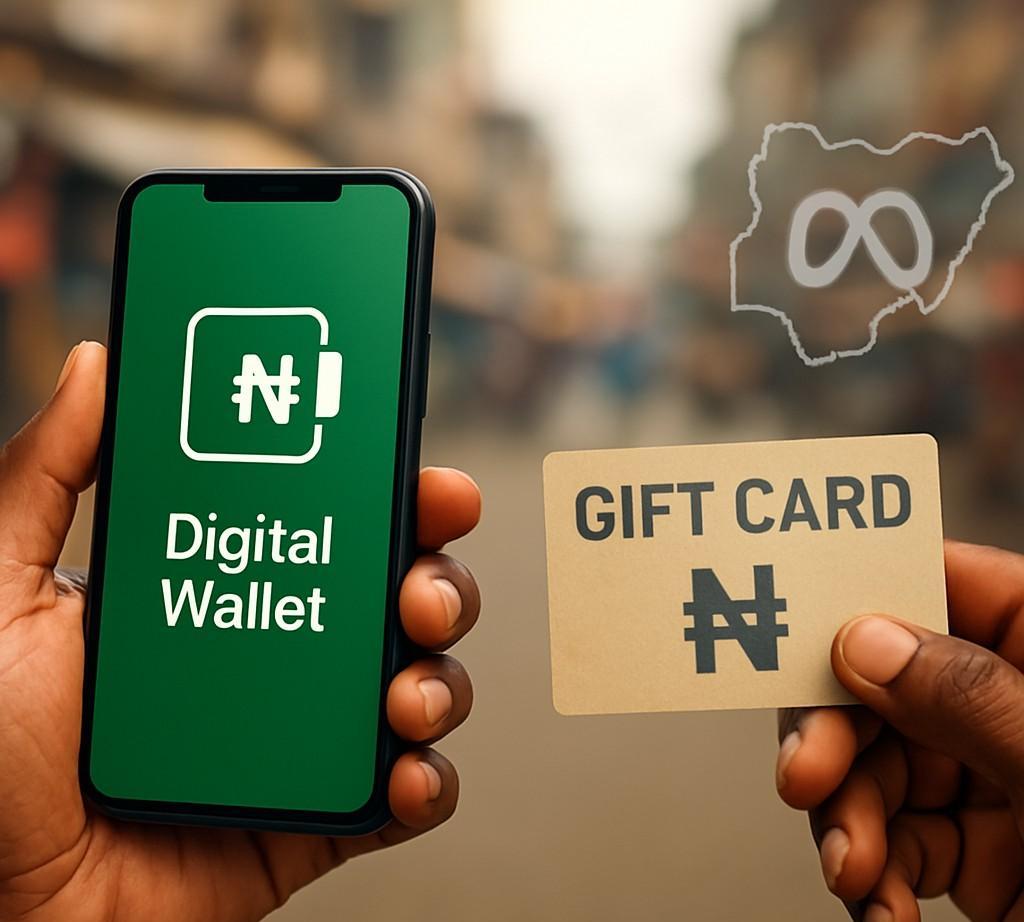
The discussion around apps that facilitate the conversion of gift cards into local currency, particularly the process of withdrawing specific amounts like ₦3,000, highlights a critical bridge that many African consumers need to cross. It points to a demand for flexible financial tools that can unlock value from diverse digital assets, transforming them into spendable cash or direct purchasing power. This isn’t merely about a specific app; it’s about the broader challenge and opportunity of financial fluidity in a market where traditional banking rails don’t always meet every consumer’s immediate needs or where international digital assets need local utility.
Why This Matters Now
Africa’s e-commerce growth is intrinsically linked to its payment infrastructure. While fintech companies are rapidly innovating, significant gaps remain, especially concerning the monetization of non-traditional digital assets. Gift cards, often received from international sources or purchased as digital vouchers, represent locked value that many consumers wish to convert into local currency for everyday purchases, bill payments, or online shopping. The emergence and popular demand for platforms like the “Carding App” underscores a critical market need: the ability to seamlessly transform these digital assets into liquid funds within the local economy.
This trend is particularly relevant now as global digital economies intersect with local African markets. As more individuals engage with international platforms, whether for work, content, or gifts, the issue of cross-border value transfer and conversion becomes paramount. For e-commerce operators, understanding how consumers acquire and utilize funds – even through informal channels – offers invaluable insights into developing payment strategies that resonate with actual user behavior. It’s a signal that payment innovation must extend beyond traditional card and bank transfers to embrace the full spectrum of how money moves and transforms in the digital age.
Key Insights
The Mechanics of Informal Digital Value Conversion
The “Carding App,” as implied by the news, serves a function akin to an informal digital exchange, enabling users to convert gift cards – typically international ones – into Nigerian Naira. This process fills a significant void where traditional banks might not offer such services or where the bureaucratic hurdles are too high for quick, small-scale transactions. For many, these apps are practical solutions to access value that would otherwise remain illiquid or difficult to use locally. The existence of such a service, and the high demand for information on its withdrawal process, speaks volumes about consumer needs for flexible financial tools.
Driving Micro-Liquidity and Financial Inclusion
The specific focus on withdrawing ₦3,000 is telling. This amount is often significant for daily expenses in Nigeria, highlighting the app’s utility for micro-liquidity. For individuals who might not have consistent access to formal banking services or who receive gift cards as their primary form of digital income or remittance, these conversion platforms can act as vital conduits for financial inclusion. They enable participation in the local economy by making digital assets tangible and usable, thereby expanding the potential consumer base for online and offline merchants alike.
Implications for Payment Strategy in E-commerce
For e-commerce operators, the popularity of these conversion mechanisms suggests that a one-size-fits-all payment strategy is insufficient. If consumers are actively seeking ways to convert gift cards into local currency to spend, it indicates a strong preference for using local, liquid funds. This implies that merchants should not only optimize for traditional payment methods but also consider how they can tap into or at least understand the flow of funds originating from these alternative sources. It could mean exploring partnerships, integrating diverse digital wallet solutions, or even structuring their own localized gift card redemption programs that directly address this latent demand.
Opportunities & Risks
Opportunities for Merchants: Understanding these alternative liquidity channels presents opportunities. Merchants could explore partnerships with legitimate, regulated fintechs that offer similar conversion services, thereby formalizing the process and attracting a wider customer segment. Furthermore, by recognizing that consumers are actively seeking to convert digital assets, e-commerce platforms can proactively design their payment acceptance strategies to be more inclusive, potentially by integrating more diverse local digital wallets or even enabling direct gift card redemption for specific types of gift cards.
Risks for Operators: The primary risks revolve around regulatory compliance, fraud, and consumer protection. Platforms that operate in a grey area, like some informal “carding apps,” may lack the robust security measures and regulatory oversight of formal financial institutions. This exposes users to potential scams, data breaches, and non-compliance with anti-money laundering (AML) regulations. For legitimate e-commerce operators, associating with or inadvertently facilitating transactions through such channels could pose reputational damage and regulatory penalties. It’s a delicate balance between catering to consumer needs and ensuring secure, compliant operations.
Trade-offs: The trade-off lies between immediate user convenience and the long-term benefits of a regulated, secure financial ecosystem. While informal channels offer speed and accessibility for niche needs, they often come at the cost of consumer protection, transparency, and scalability. E-commerce operators must weigh these factors, perhaps leveraging the insights from informal markets to build more robust, regulated solutions that offer similar convenience without the associated risks.
Actionable Takeaways
- Monitor Emerging Payment Behaviours: Stay abreast of how consumers are *actually* obtaining and spending funds, even if outside traditional channels, to identify unmet needs.
- Diversify Payment Acceptance: Explore and integrate a broader range of local payment options beyond traditional cards and bank transfers, including popular mobile money wallets and, where appropriate, structured gift card redemption programs.
- Enhance Financial Literacy: Educate customers on secure and legitimate methods for converting digital assets and the risks associated with unregulated platforms.
- Collaborate with Fintech Innovators: Partner with regulated fintech companies that are building solutions for converting diverse digital assets into local currency, formalizing these much-needed services.
- Advocate for Regulatory Clarity: Engage with regulators to help shape policies that support innovative, secure, and compliant solutions for digital asset conversion and payments.
- Understand the Customer Journey for Liquidity: Map out how different customer segments acquire and manage their funds to inform product development and payment strategy.
- Localize Value Proposition: Tailor your e-commerce offerings to seamlessly integrate with local financial habits and digital asset preferences, making it easier for users to spend what they have.
The demand for converting digital gift cards into usable cash in Nigeria, highlighted by the “Carding App” discussion, is more than just a specific app’s functionality; it’s a symptom of a broader market dynamic. It reflects the ongoing quest for financial fluidity and the ingenious ways consumers find to unlock value in a rapidly digitizing economy. For African e-commerce to truly thrive, its operators must look beyond the obvious, understanding these nuanced user behaviors and building platforms that are not only efficient but also deeply attuned to the diverse financial realities of the continent’s digital consumers.
Source: How to Withdraw the ₦3000 from Carding App in Nigeria

Related Posts