Bridging the Digital Divide: How FG and Meta’s Inclusion Drive Will Reshape African Ecommerce
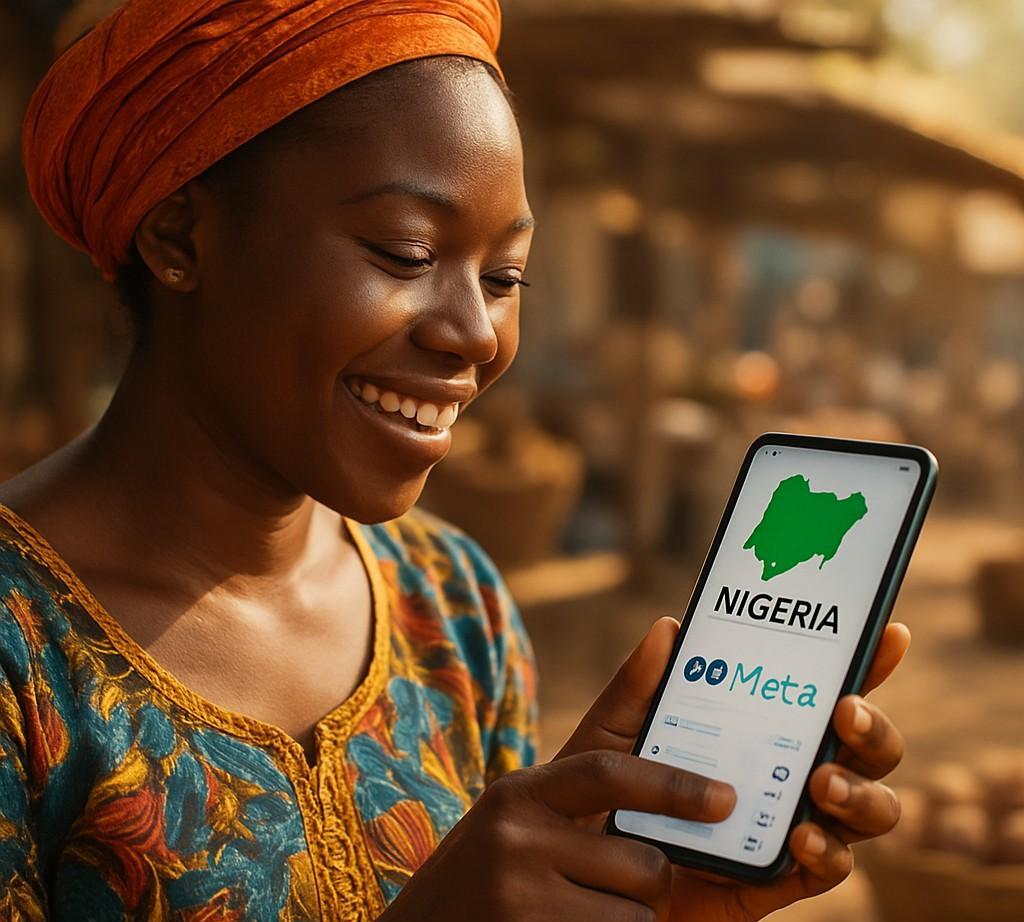
In the dynamic landscape of African digital commerce, access remains the ultimate game-changer. A recent announcement detailing a strategic partnership between the Nigerian Federal Government (FG) and Meta (the parent company of Facebook, Instagram, and WhatsApp) aims to deepen digital inclusion among underserved young Nigerians, particularly those in rural communities and the informal sector. This initiative, focusing on expanding digital access and literacy, is not merely about getting more people online; it is a foundational thrust that promises to fundamentally reshape the contours of ecommerce across Nigeria and potentially beyond.
For founders, ecommerce operators, and product teams across the continent, this development signals a significant expansion of the addressable market and a deepening of digital engagement. By focusing on segments historically excluded from the mainstream digital economy, this partnership lays the groundwork for a more inclusive and robust online marketplace, fostering both new consumers and a fresh wave of digital entrepreneurs.
Why This Matters Now
Africa’s digital economy is booming, yet significant disparities persist. While urban centers boast high internet penetration, rural areas often lag, creating a digital divide that limits economic opportunities. This divide is particularly acute for young people and those working in the informal sector, who represent a vast pool of untapped potential. The rise of mobile internet and the ubiquity of social platforms have already demonstrated their power to democratize access and foster commerce, but the next frontier lies in truly integrating these underserved populations.
Initiatives like the FG-Meta partnership are crucial for several reasons. Firstly, they directly address the core barrier of access and digital literacy, which are prerequisites for participating in any form of online commerce. Secondly, Meta’s involvement is strategic. Its platforms are already deeply embedded in the social fabric and commerce habits of many Africans. By leveraging these platforms, the initiative can rapidly onboard users, providing familiar interfaces for both learning and transacting. This isn’t just about connectivity; it’s about creating pathways for economic empowerment, turning passive internet users into active participants in the digital marketplace.
Expanding the Merchant and Customer Base
One of the most immediate implications of enhanced digital inclusion is the expansion of both the merchant and customer base for ecommerce. Bringing rural youth and the informal sector online means a new demographic of buyers who can access a wider variety of goods and services, often at better prices, transcending geographical limitations. Simultaneously, it empowers small-scale entrepreneurs and artisans in the informal sector to transition their businesses online, reaching customers far beyond their immediate vicinity. This democratizes market access, allowing unique local products to find national or even international audiences through online marketplaces and social commerce channels.
The Power of Social Commerce Amplified
Meta’s direct involvement highlights the critical role of social commerce in Africa. Platforms like Instagram and WhatsApp are already primary channels for discovery, communication, and transaction for many small businesses. By teaching digital skills and facilitating access, the partnership will undoubtedly fuel the growth of social commerce. Informal traders can set up shop with minimal overhead, leveraging personal networks and direct customer engagement. For larger ecommerce players, understanding and integrating with these social dynamics will be paramount, potentially driving new acquisition strategies and community-focused marketing.
Financial Inclusion & Digital Payments
Digital inclusion is inextricably linked to financial inclusion. As more individuals gain digital literacy and access to smartphones, their adoption of digital payment solutions like mobile money, online banking, and card payments naturally increases. This is a vital component for a thriving ecommerce ecosystem. With a larger segment of the population comfortable and capable of making digital transactions, friction in the online purchasing process reduces significantly, leading to higher conversion rates and a more seamless customer experience. It also opens doors for micro-lending and other fintech innovations to support small online businesses.
Navigating Logistics & Infrastructure Challenges
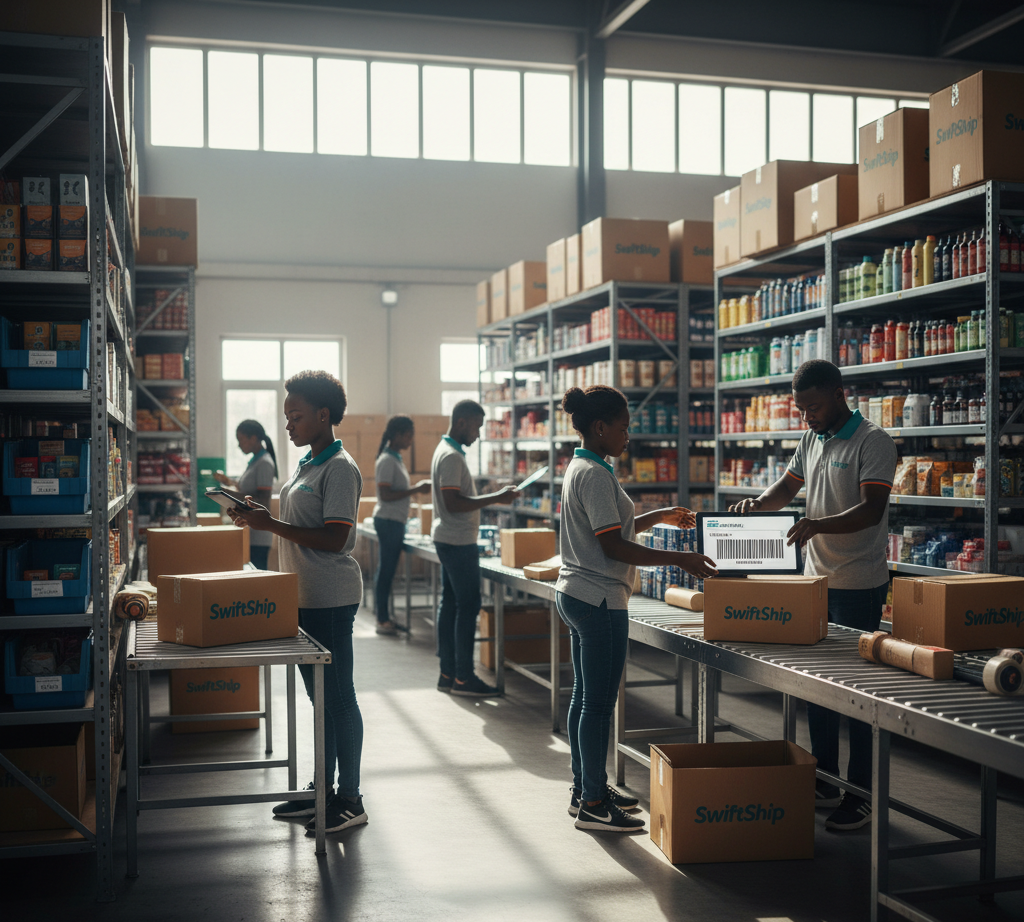
While digital inclusion boosts demand and supply, it also puts a spotlight on existing infrastructure challenges, particularly in logistics and last-mile delivery to rural areas. Expanding the online market means ecommerce operators must innovate in their supply chain strategies. This could lead to increased demand for third-party logistics (3PL) providers specializing in rural distribution, the adoption of drone delivery in certain areas, or the establishment of community pick-up points. For product teams, this means designing solutions that account for these logistical complexities, perhaps through staggered delivery options or decentralized warehousing.
Skill Development & Entrepreneurship for a New Era
Beyond transactional opportunities, this initiative fosters a new generation of digital-first entrepreneurs. Providing digital skills equips young Nigerians with the tools to not just consume online, but to create, innovate, and build businesses. This includes everything from setting up online storefronts, digital marketing, customer service, to even developing localized digital content. This wave of entrepreneurship can lead to highly relevant, culturally attuned ecommerce solutions and services that cater specifically to the needs and preferences of the African market.
Opportunities & Risks
Opportunities for Merchants:
- New Market Segments: Access to previously untapped rural and informal sector customer bases.
- Reduced Acquisition Costs: Leveraging social platforms for organic reach and community building.
- Innovation in Business Models: Development of hyper-local delivery and payment solutions.
- Diverse Product Offerings: Inclusion of unique artisan and informal sector products expands market variety.
Risks for Operators:
- Infrastructure Bottlenecks: Challenges in reliable internet and logistics in newly included areas.
- Digital Literacy Gaps: Ongoing need for user education on online safety and transaction processes.
- Payment Diversification: Ensuring payment options cater to both traditional and newly digital users.
- Data Privacy & Security: Heightened responsibility to protect new users from online fraud and scams.
Trade-offs: Balancing the rapid expansion of digital access with ensuring the quality, security, and sustainability of digital engagement. This means investing in foundational infrastructure alongside user training and robust consumer protection mechanisms. The rush to onboard new users must not come at the expense of a secure and trustworthy online environment.
Actionable Takeaways
- Mobile-First Everything: Design all ecommerce platforms and communication for optimal mobile experience, as this will be the primary access point for new users.
- Embrace Social Commerce: Develop strategies to effectively leverage Meta’s platforms (WhatsApp, Facebook Marketplace, Instagram Shops) for discovery, sales, and customer service.
- Localize and Personalize: Tailor product offerings, marketing messages, and even payment methods to suit regional preferences and digital literacy levels.
- Invest in Last-Mile Innovation: Explore partnerships with local logistics providers or develop community-based pick-up/drop-off points for efficient rural delivery.
- Simplify Digital Payments: Offer a variety of intuitive and secure digital payment options, coupled with clear instructions for new online transactors.
- Educate and Build Trust: Incorporate elements of digital literacy and online safety education into your customer onboarding and marketing efforts.
- Advocate for Infrastructure: Support initiatives that push for better internet connectivity and reliable power supply in underserved regions.
In conclusion, the partnership between the FG and Meta to drive digital inclusion in Nigeria is more than just a CSR initiative; it’s a strategic investment in the future of African ecommerce. By bringing millions of new participants into the digital fold, it promises to unlock unprecedented growth, foster local entrepreneurship, and create a more vibrant, diverse, and resilient online economy. Operators who anticipate these shifts and strategically adapt their offerings will be best positioned to thrive in this evolving landscape.
Source: FG, Meta target rural youths in digital inclusion push

Related Posts